Air Duct Cleaning Cost After Fire ($275+)
Jan 6, 2026
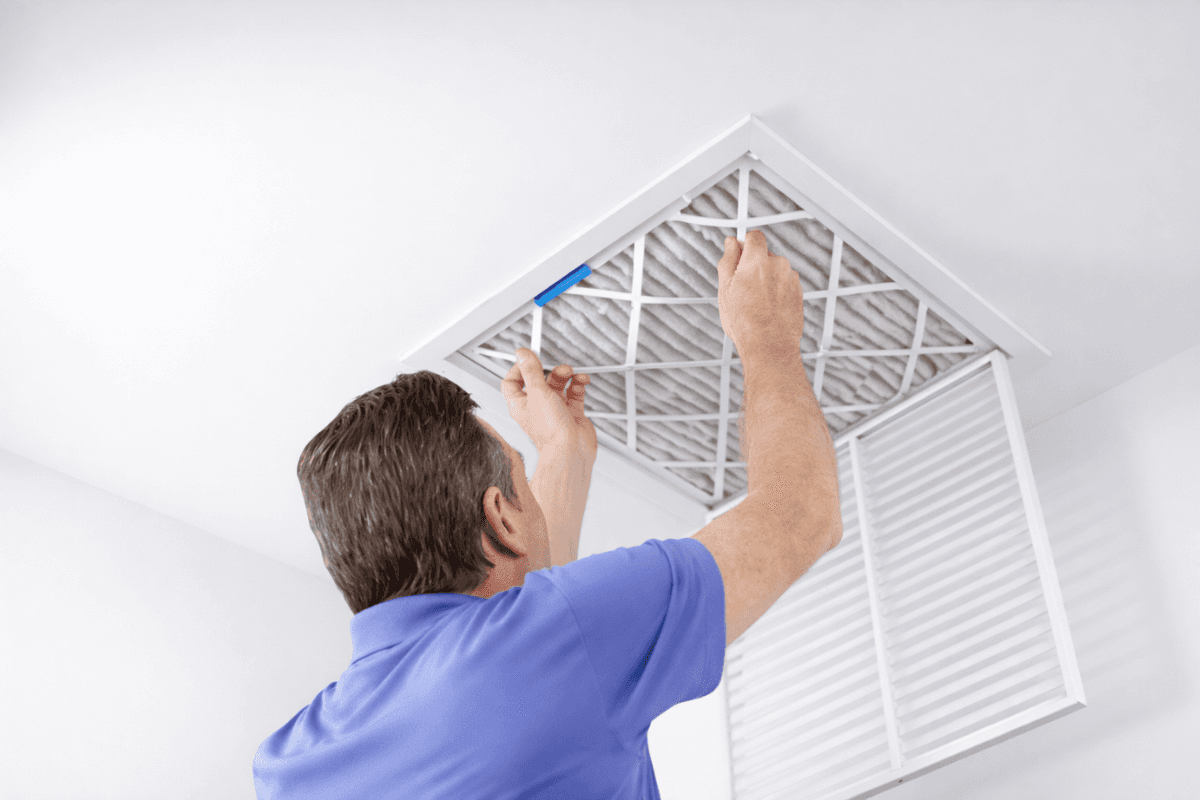
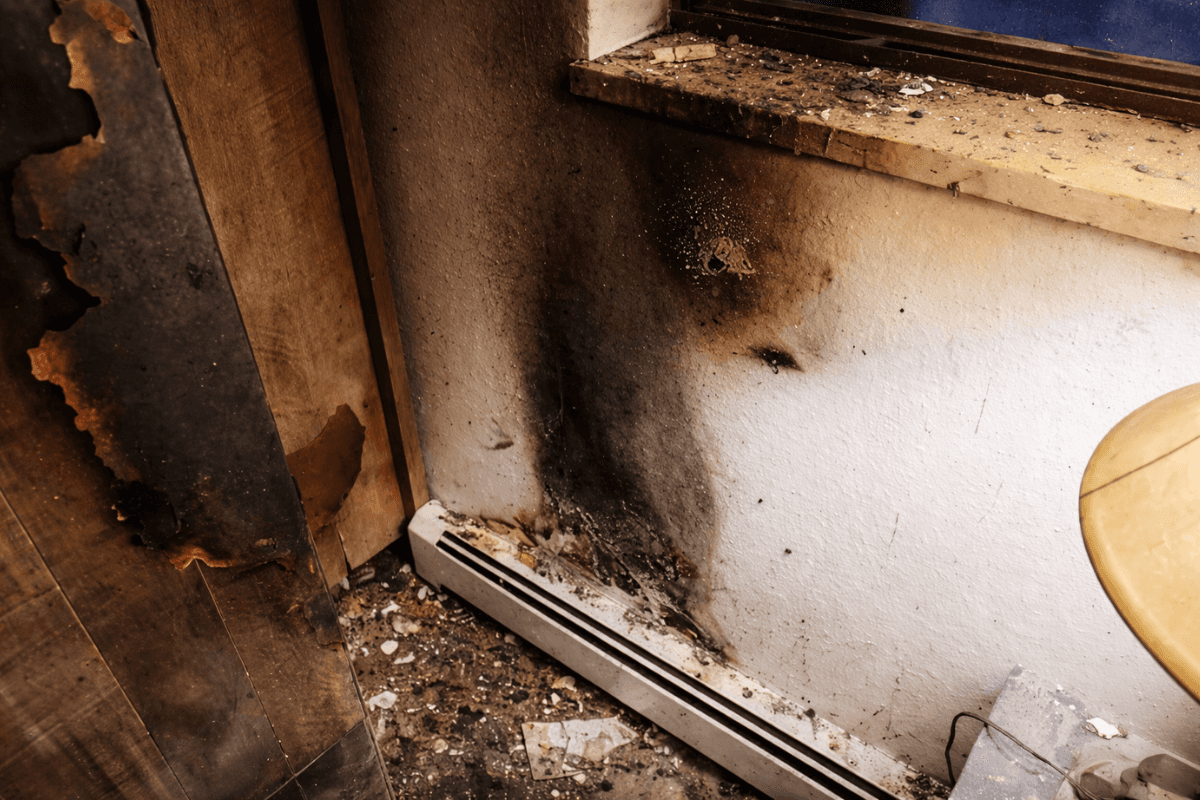
Smoke doesn’t stay where the fire was – it gets pulled straight into the HVAC system, settles in the ductwork, and keeps circulating long after the flames are out.
That’s why air duct cleaning becomes one of the real costs of fire recovery, often landing between $275 and $500 in NYC and climbing higher when soot is heavy or oily.
We’ll break down how pricing really works and what you should expect during post-fire HVAC cleaning.
Key Notes
Post-fire air duct cleaning in NYC typically ranges from $275 to $500+.
Oily soot, large systems, or heavy smoke contamination can push costs above $1,000.
Pricing varies by duct material, vent count, system size, labor hours, and accessibility.
Do You Really Need Air Duct Cleaning After a Fire?
Short answer: yes, almost always. If any smoke entered the home, it entered the ductwork.
Post-fire duct cleaning isn’t just about removing dirt. It’s about preventing:
lingering smoke odors that take over the home
respiratory issues from soot, ash, and chemical residue
long-term corrosion inside the HVAC system
mold growth from the moisture used in firefighting efforts
HVAC inefficiency and breakdowns from clogged components
Skipping cleaning creates a cycle that never ends. You can repaint, replace materials, and deodorize carpets, but if the ducts still hold smoke residue, the smell will keep returning.
Air Duct Cleaning Cost After a Fire (NYC Pricing)
The typical cost for post-fire air duct cleaning in New York City ranges from $275 to $500+.
Fire-specific cleaning can go higher depending on the type of soot and the size of the HVAC system.
NYC pricing tends to be on the higher end of national averages due to labor rates, building layout, and accessibility challenges. But the ranges below give a clear picture:
Basic post-fire duct cleaning: $275–$500
Heavier smoke contamination: $400–$700
Oily soot or grease-fire contamination: $800–$1,000+ (more labor-intensive)
Complete HVAC system cleaning and deodorization: $300–$1,000+
These prices cover the ductwork alone.
Cost by Square Foot
For homes where pricing is based on size, expect $0.15–$0.30 per square foot.
Examples:
1,000 sq ft home: $150–$300
1,500 sq ft home: $225–$450
2,000 sq ft home: $300–$600
This is purely duct cleaning. Full fire restoration with HVAC cleaning, deodorization, and repairs can land in the $4–$6.50 per sq ft range, but that includes far more than ducts.
Cost per Vent
NYC pricing per vent usually falls between $25 and $50, with an average around $35 per vent.
Examples:
6 vents → $150–$300
10 vents → $250–$500
12 vents → $300–$630
This is a useful metric for smaller apartments, condos, and townhouses where systems vary widely in layout.
What Affects the Final Cost?
Severity of Soot Damage
Dry soot is easier to remove and usually stays in the $400–$700 range.
Oily soot (especially from kitchen fires) clings aggressively to duct surfaces and often pushes pricing upward of $1,000.
Duct Type and Material
Different duct materials respond differently to smoke and cleaning tools:
Metal Ducts: Easiest to clean; often cheaper
Flex Ducts: Prone to soot embedding; more delicate
Fiberglass & Fiberboard: Can absorb smoke particles; sometimes require replacement
Material alone can swing the price from $160 to $550+.
Labor Hours
NYC labor averages $90–$125 per hour. Most fire-related duct cleaning takes 3–8 hours, depending on contamination and building layout.
Accessibility
If the ducts run through tight chases, narrow mechanical closets, or require ceiling access, the job takes longer and costs more. This is common in older NYC buildings.
Additional Fire Restoration Needs
Anything beyond basic soot removal increases the bill:
thermal fogging to neutralize odors
HEPA negative-air containment
water damage cleanup inside the ducts
mold remediation if moisture-triggered growth
These aren’t upsells. They’re often necessary steps to restore the HVAC system safely.
What’s Included in a Full HVAC Cleaning After a Fire?
Post-fire air duct cleaning isn’t the same as standard duct cleaning. Smoke residue is acidic, sticky, and often toxic. Cleaning it requires specialized equipment, certifications, and a step-by-step restoration process.
Here’s what a full service typically includes:
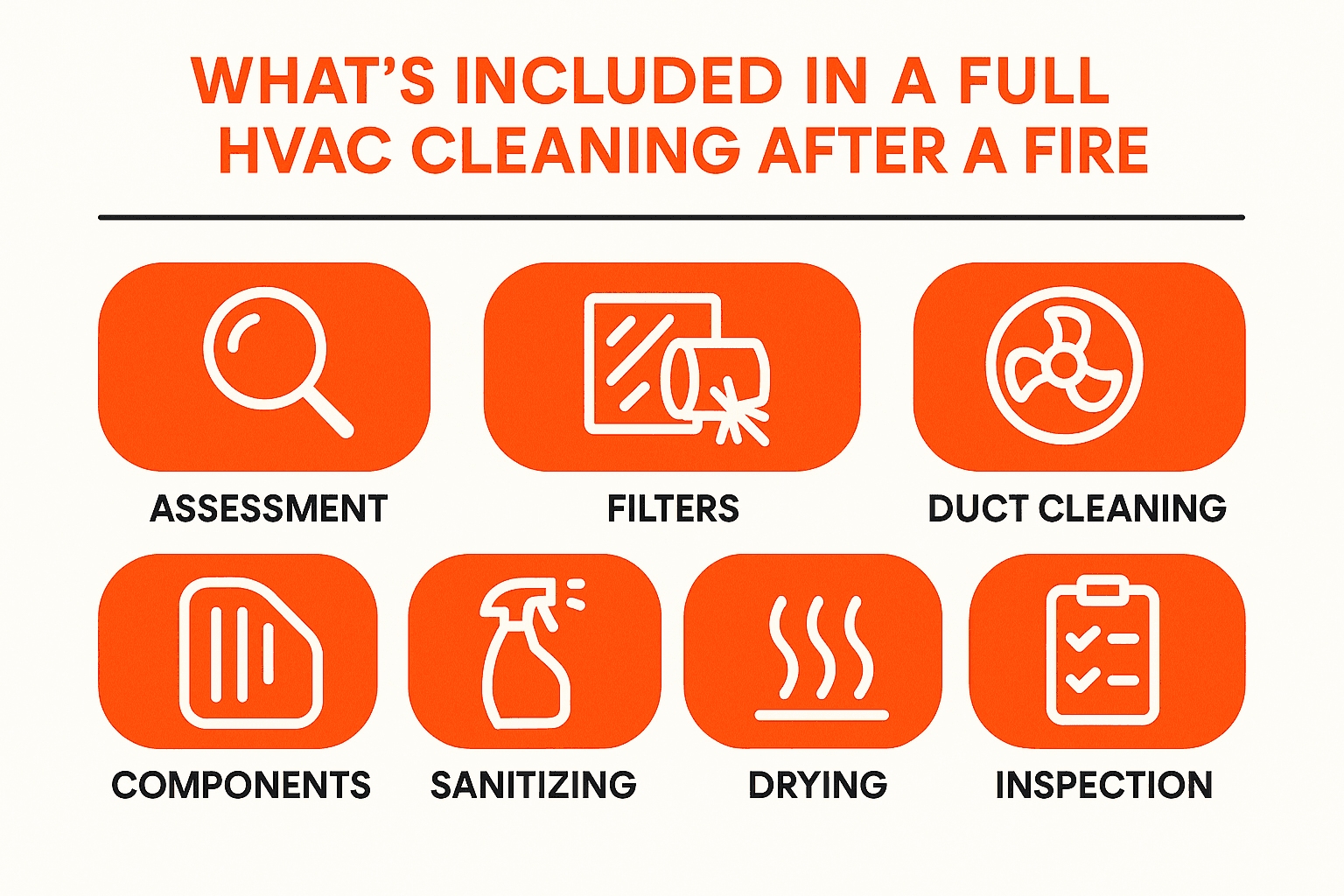
Initial Assessment & Shutdown
A technician inspects ducts, vents, the air handler, coils, and fans with visual tools – often cameras – to understand how far the smoke traveled.
The system is then shut down to prevent spreading soot during cleaning.
Filter Removal & Replacement
Filters always need replacing after a fire. They trap soot immediately and can’t be salvaged.
Duct Cleaning (The Main Event)
Contractors use a combination of:
high-powered HEPA vacuums
pressurized air whips and rotary brushes
negative-air machines for containment
All this pulls soot and ash out of the duct surfaces without pushing any debris back into the home.
Cleaning Mechanical Components
Fire residue collects on:
blower wheels
motors
evaporator and condenser coils
air handler housing
drain pans
If these parts aren’t cleaned, the HVAC system will simply redistribute the smoke odor throughout the home.
Sanitizing & Odor Removal
Removing soot is only half the job. Odor molecules cling to surfaces and require neutralization.
Technicians use:
EPA-approved antimicrobial agents
deodorizing treatments
thermal fogging
ozone or chlorine dioxide (when appropriate)
Drying & Mold Prevention
Firefighting moisture + organic soot = mold risk. Drying is essential.
Repairs & Sealing
If the fire-warping ducts or damaged insulation, repairs may be needed to restore airflow.
Final Inspection & Documentation
Photos, reports, and system checks help support insurance claims and give homeowners peace of mind.
Cleaning vs Replacing HVAC Components
Sometimes cleaning isn’t enough – especially after a fire that produced heavy smoke or high heat.
Here’s how the costs typically break down:
Filters
Replacement cost: $20–$100 each.
Coils
Cleaning: $150–$500
Replacement: $400–$1,200+
Coils corrode from acidic soot quickly, so early cleaning matters.
Fans & Blower Motors
Cleaning: $100–$400
Replacement: $400–$1,500+
Air Handler Units
Cleaning: $150–$600
Replacement: $1,500–$6,000+
The older the system, the more replacement makes sense.
Does Homeowners Insurance Cover This?
In NYC, most homeowners' policies cover duct cleaning after a fire as long as the fire was accidental and the damage is documented properly.
Typically Covered:
smoke and soot cleanup
duct cleaning and sanitizing
damaged HVAC components
odor neutralization
Not Typically Covered:
fires caused by neglect (e.g., unmaintained equipment)
intentional damage
long delays that make the damage worse
Deductibles still apply, so some out-of-pocket expense is normal. Good documentation is essential – photos, reports, and a professional inspection go a long way.
Final Budget Breakdown
If your home had a fire and the HVAC system pulled in smoke, expect:
Duct Cleaning: $275–$500+
Heavier Soot: $400–$700
Oily Soot / Grease Fires: $800–$1,000+
Per Vent: $25–$50
Per sq ft: $0.15–$0.30
Full HVAC Cleaning: $300–$1,000+
Cleaning your air ducts after a fire isn’t optional. It’s how you get rid of the hidden damage you can’t see but can definitely smell. With the right cleanup, your HVAC system can run safely again without pumping smoke residue back through your home.
Want Pricing Based On Your Damage?
Licensed HAZWOPER crews, 1-year warranty, insurance-ready reports.
Frequently Asked Questions
How long does air duct cleaning take after a fire?
Most post-fire duct cleanings take anywhere from three to eight hours depending on the size of the system, the amount of soot, and how many HVAC components need deep cleaning. Larger systems or oily soot contamination push the job toward the longer end.
Can I run my HVAC system before the ducts are cleaned?
It’s strongly discouraged. Running the system can pull soot deeper into the ducts, spread smoke odor throughout the home, and contaminate coils and fans. It can also weaken your insurance claim if the adjuster believes the damage got worse due to use.
Are duct cleaning wipes or store-bought deodorizers enough?
No. DIY products can mask odors temporarily, but won’t remove embedded soot or corrosive residue. Fire cleanup requires HEPA vacuums, agitation tools, and odor-neutralizing agents designed specifically for smoke damage.
How quickly should duct cleaning happen after a fire?
Ideally within the first few days once the property is safe to enter. The longer soot sits inside ductwork, the more it can corrode metal, absorb into insulation, and spread odors that are harder and more expensive to remove later.
Conclusion
After a fire, the HVAC system becomes one of the fastest places for smoke and soot to settle, which is why understanding air duct cleaning cost isn’t just about price – it ties directly to safety, air quality, and whether your system can run without spreading contamination.
In NYC, most post-fire duct cleanings land between $275 and $500, with heavier soot or grease-fire residue pushing totals closer to $800–$1,000+.
Square footage, vent count, duct material, and any added work like deodorization or coil cleaning all play into the final bill, especially in older buildings where smoke tends to travel farther than you’d think.
If you’re dealing with smoke damage of any kind, getting a professional fire restoration quote is the easiest way to understand what your home actually needs. We provide fast assessments, licensed teams, and insurance-ready documentation, so you can make decisions with realistic numbers.