Floor Replacement Cost After Fire (2026 NYC Guide)
Jan 27, 2026
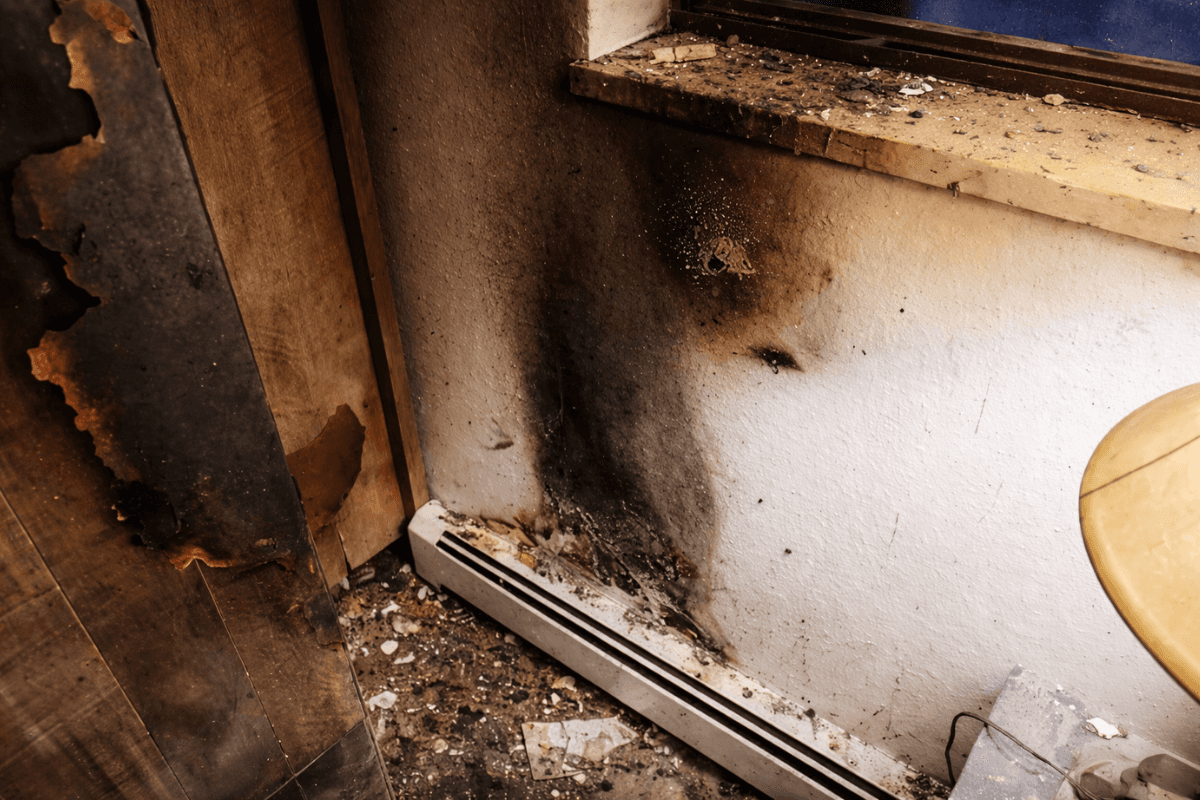
Fire damage has a way of blurring the obvious.
What looks surface-level can hide smoke residue, trapped moisture, or structural issues that only show up later (and usually at a higher cost).
In New York City, those details matter, especially once cleanup, insurance, and building rules come into play. We’ll lay out the realistic floor replacement cost after a fire, how restoration decisions are made, and what drives pricing across NYC properties.
Key Notes
NYC floor replacement cost after fire typically ranges $8–$25 per square foot all-in.
Carpet, laminate, and vinyl are almost always replaced due to contamination and moisture risk.
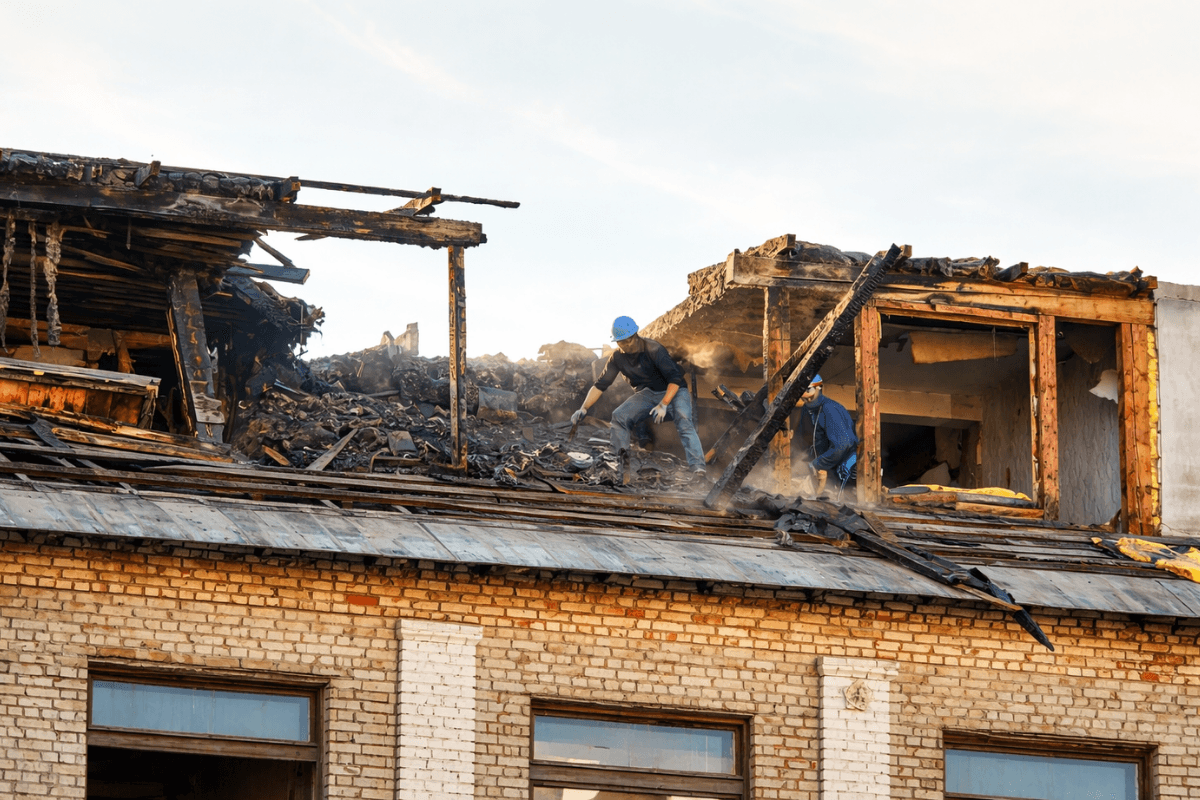
Demolition and disposal account for 30–50% of post-fire flooring costs in NYC buildings.
Insurance payouts hinge on salvageability, RCV coverage, and documentation of smoke and water damage.
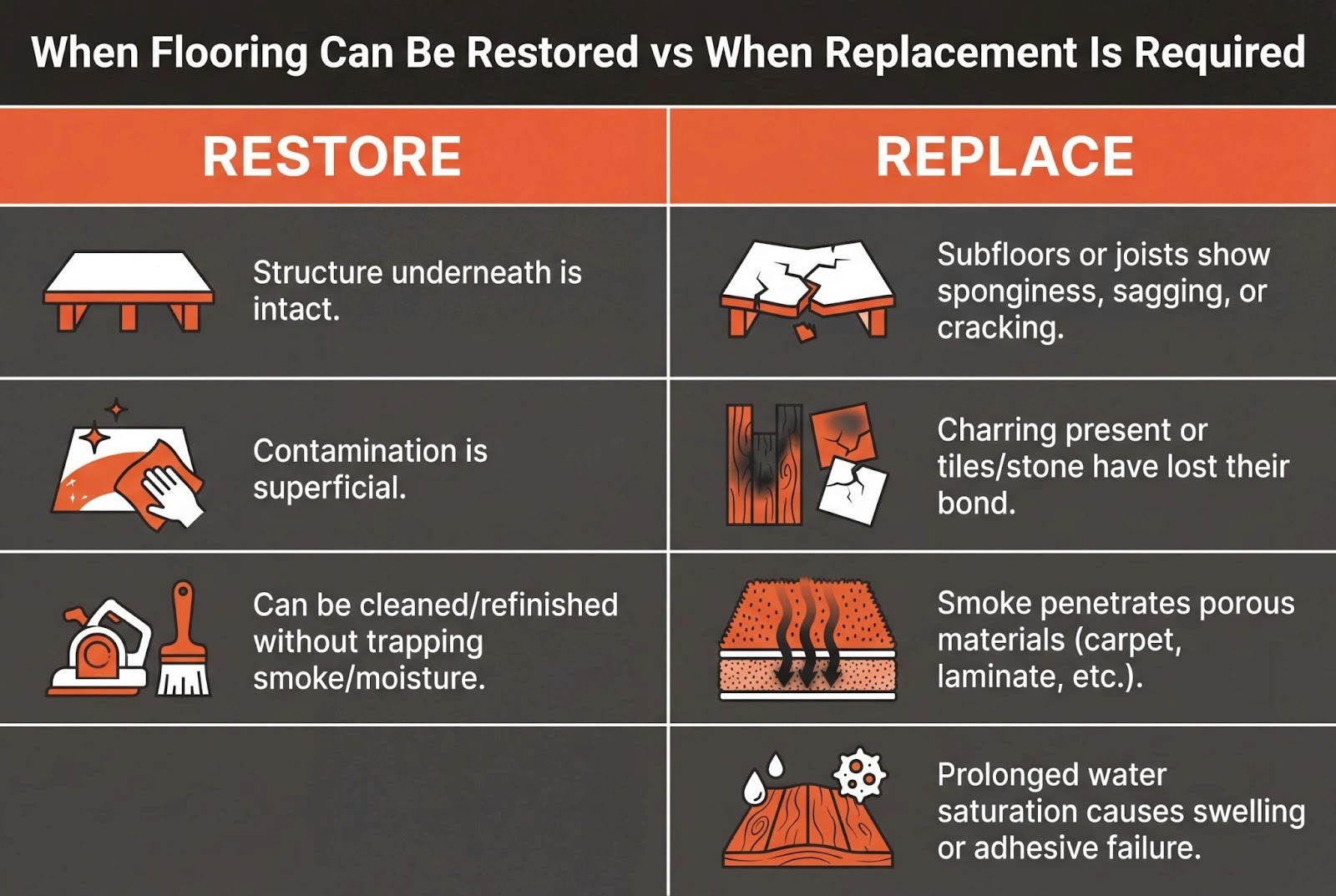
When Flooring Can Be Restored vs When Replacement Is Required
The line between restoration and replacement is not subjective.
Insurers, inspectors, and restoration contractors all look at the same core criteria: structure, contamination, moisture, and long-term risk.
Floor Replacement Cost Per Square Foot in NYC (2026)
In 2026, floor replacement cost after fire damage in NYC typically ranges from $8 to $25 per square foot all-in, depending on material, damage severity, and building logistics.
That figure includes:
demolition
disposal
new materials
installation
subfloor prep
required protections.
It is higher than national averages by roughly 20–30% due to labor rates, access challenges, and code requirements.
Flooring Replacement Cost by Material Type
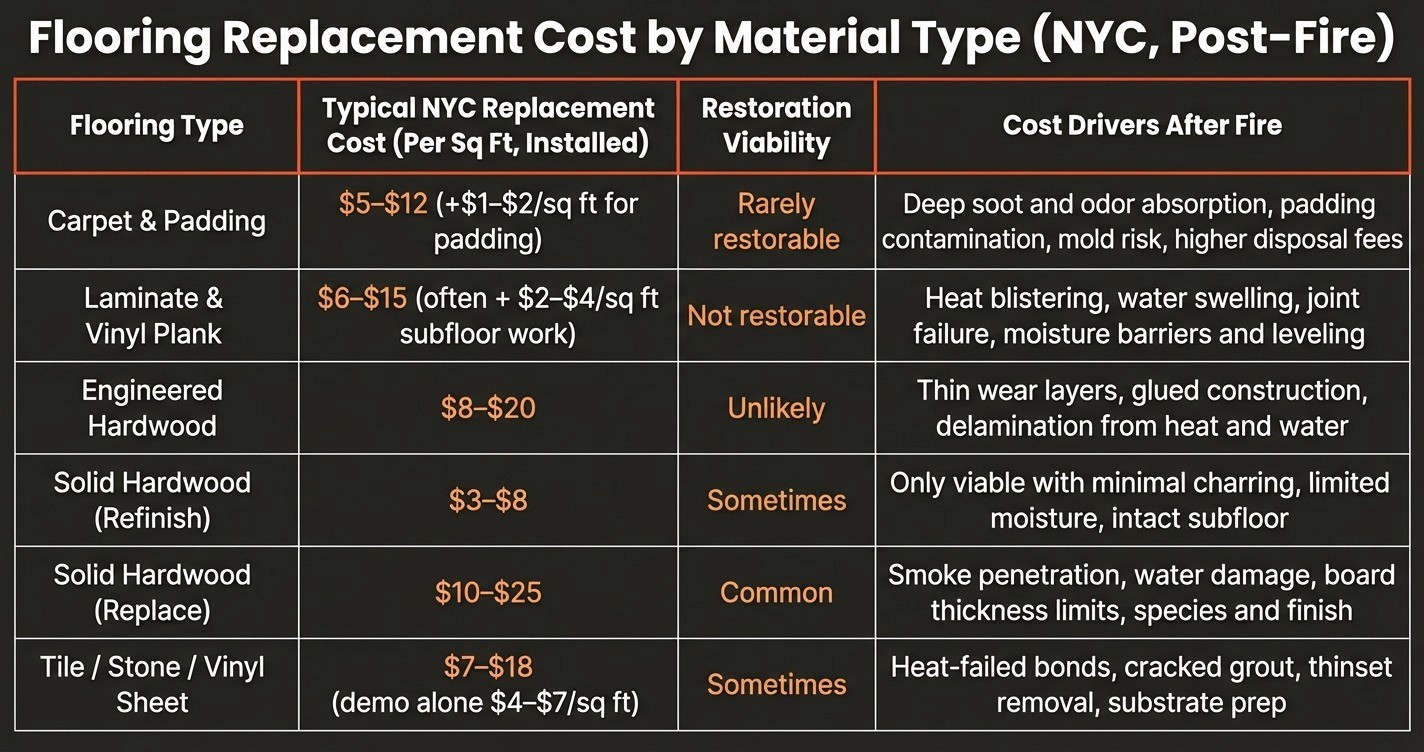
Different flooring materials respond very differently to fire, smoke, and water. That response directly affects replacement frequency and cost.
Carpet & Padding
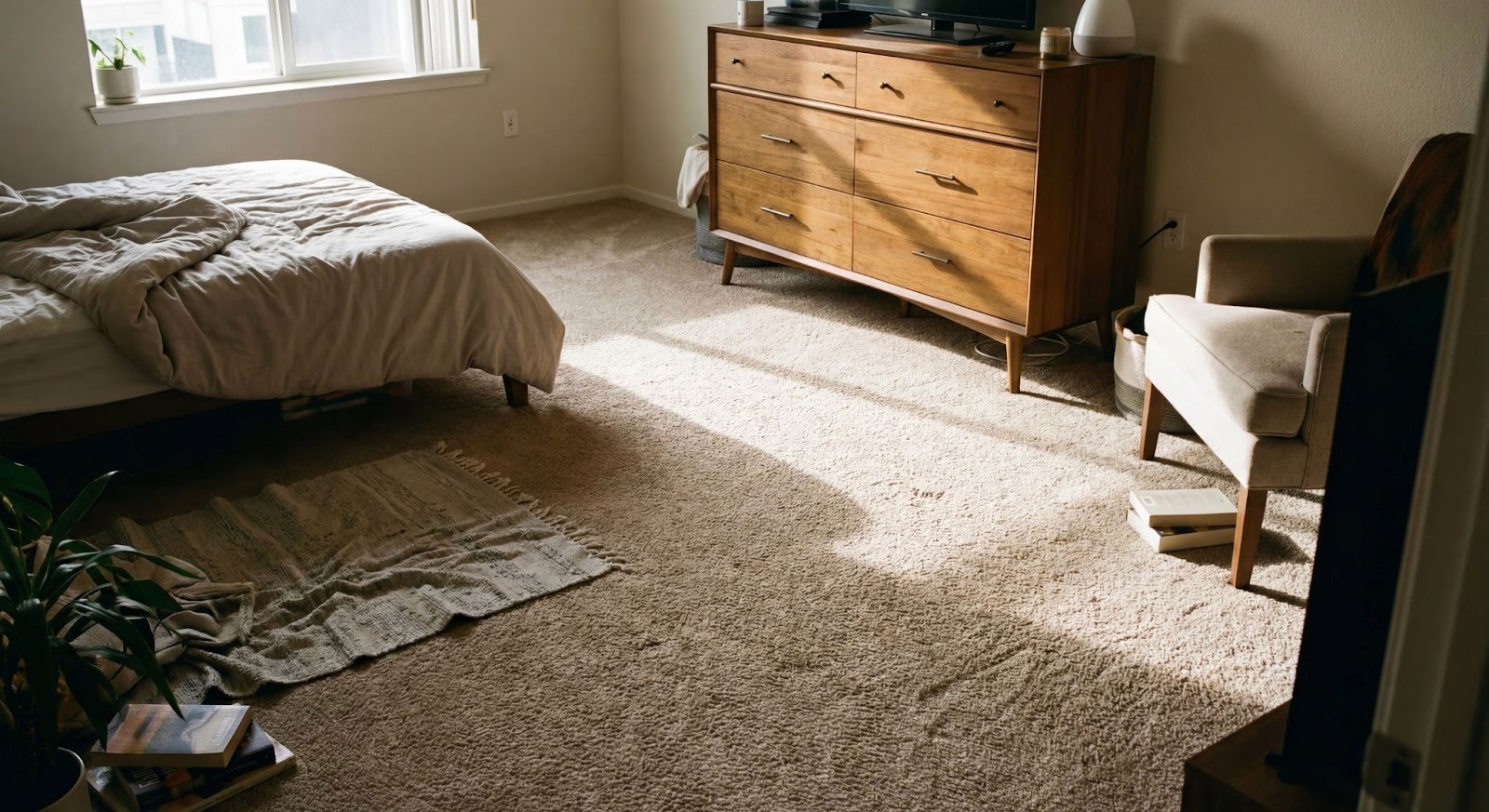
Carpet and padding are almost always replaced after a fire, regardless of severity.
They trap soot, odors, and moisture deep in the fibers and underlay. Even when surfaces look clean, contamination remains.
In NYC, carpet and pad replacement typically runs $5 to $12 per square foot, including removal and disposal. Padding alone often adds another $1 to $2 per square foot.
Disposal costs are higher post-fire due to contamination and mold risk.
Laminate & Vinyl Plank
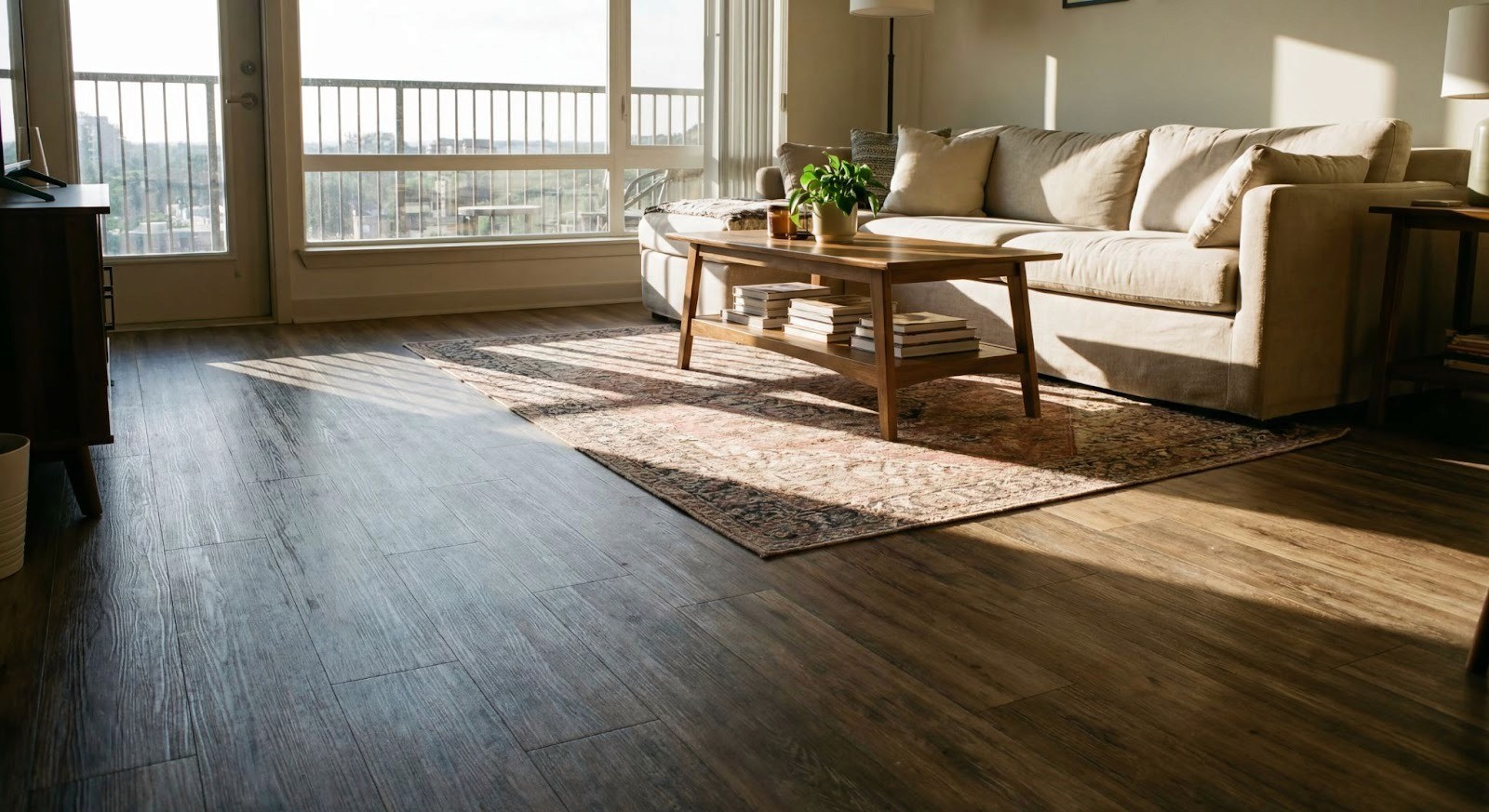
Laminate and vinyl plank flooring rarely survive fire exposure. Heat causes blistering and bubbling. Water causes swelling and joint failure. Cleaning does not reverse these issues.
Replacement costs usually range from $6 to $15 per square foot.
While click-lock systems are easy to remove, subfloor leveling and moisture barriers often add $2 to $4 per square foot after fire damage.
Engineered Hardwood
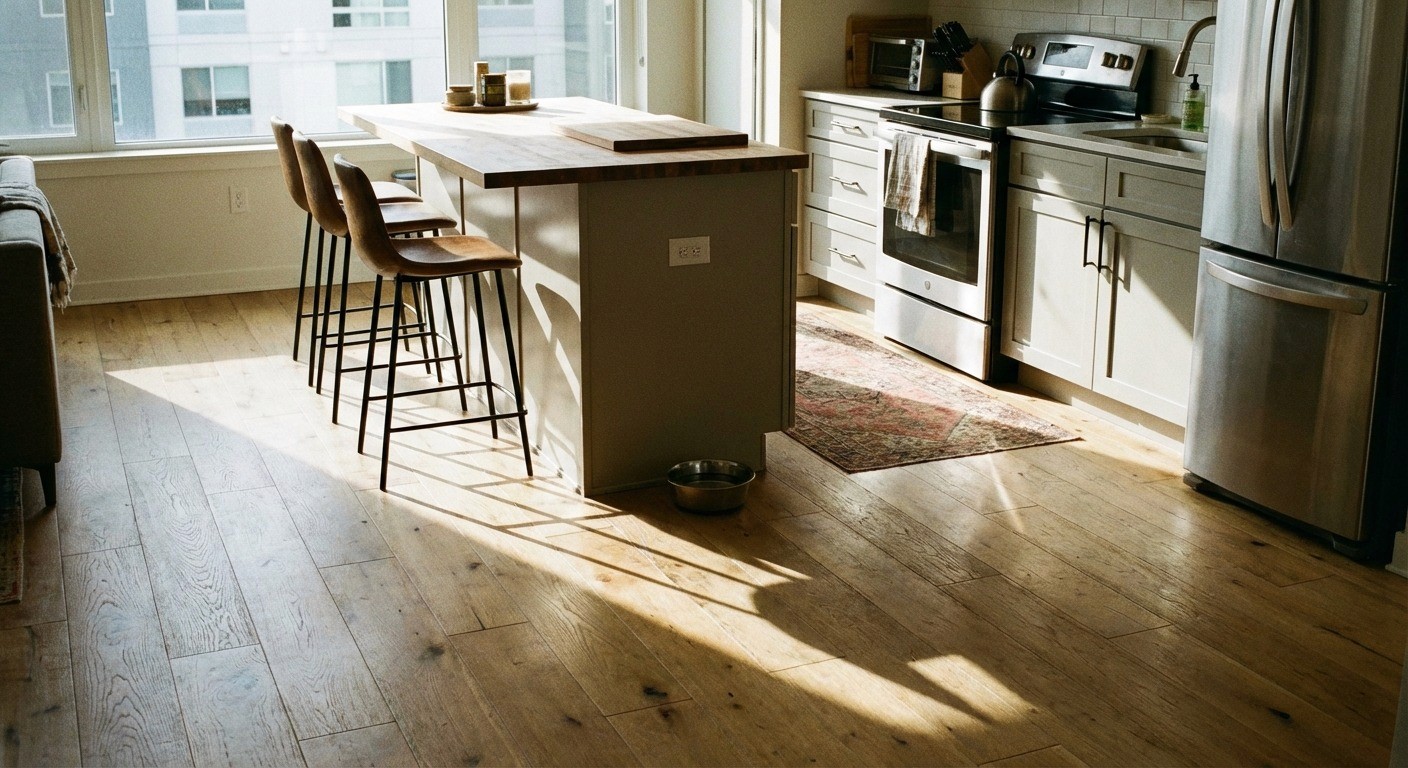
Engineered hardwood sits in a gray zone. Thin wear layers and glued construction mean heat and moisture cause irreversible damage quickly.
Replacement costs typically fall between $8 and $20 per square foot. While some boards may appear intact, insurers and restorers usually favor replacement due to delamination risk.
Solid Hardwood
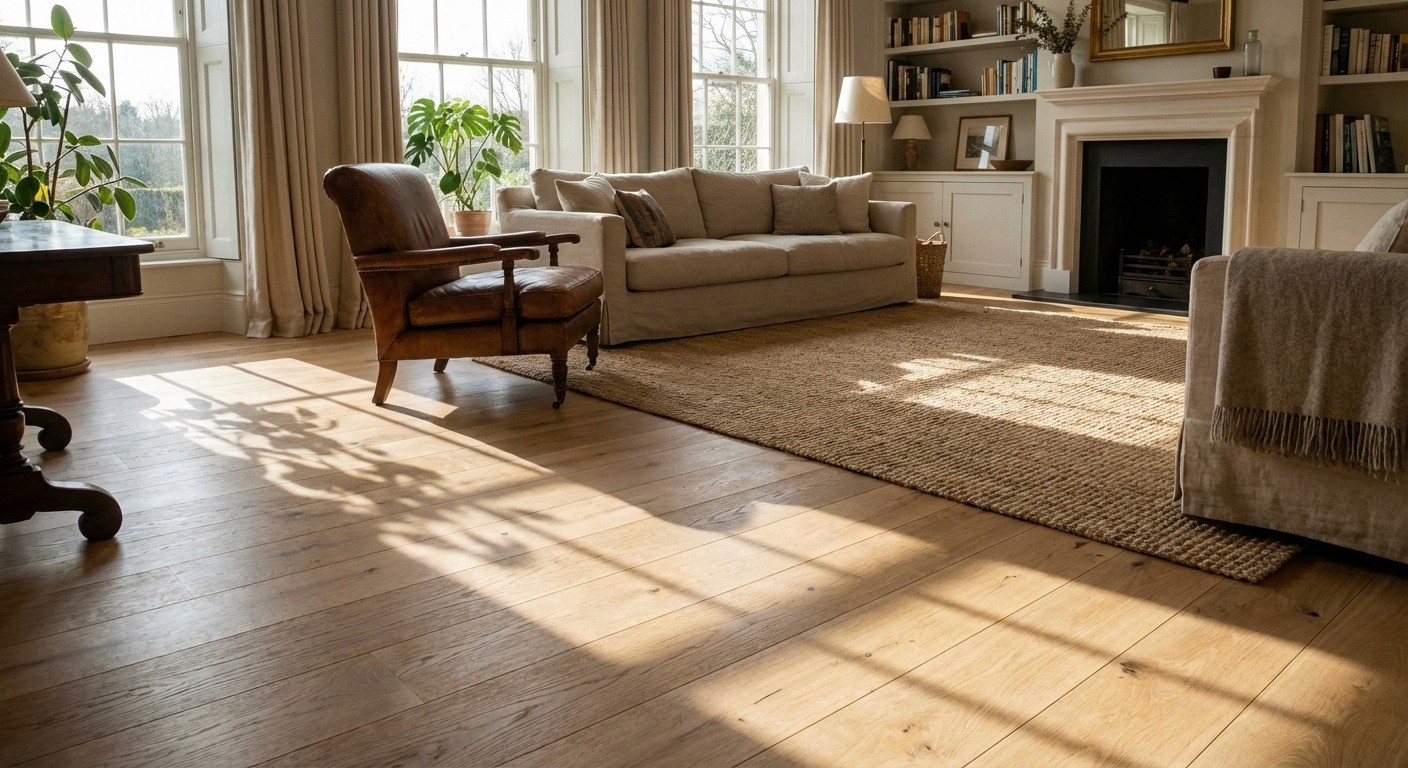
Solid hardwood is the most salvageable material, but only under specific conditions.
If charring is minimal, boards are thick enough, and moisture exposure was brief, sanding and refinishing may be possible.
Refinishing costs range from $3 to $8 per square foot.
Full replacement, when required, runs $10 to $25 per square foot depending on species and finish.
In NYC, replacement is common once smoke penetration or water damage is confirmed.
Tile, Stone, Vinyl Sheet
Tile and stone can sometimes be restored if bonds remain intact and no heat cracking occurred. When tiles debond or grout fractures, removal down to the substrate is required.
Replacement costs range from $7 to $18 per square foot.
Demolition alone can reach $4 to $7 per square foot due to thinset removal and substrate prep.

NYC-Specific Cost Multipliers
Permits, Inspections & Code Triggers
Once a certain percentage of flooring is replaced, DOB permits and inspections may be required. Fire-rated assemblies, sound attenuation layers, and insulation upgrades can be triggered depending on scope.
Permit costs typically range from $200 to $1,000, but delays and re-inspections often cost more than the fees themselves.
Building Type & Access Constraints
Apartments cost more than private homes:
Co-op and condo approvals add time and fees.
Approved vendor lists limit bidding.
High-rise buildings introduce hoisting, security, and off-hour work premiums.
Compared to private homes, apartments run 15–30% higher for flooring replacement after fire damage.
Insurance Coverage for Fire-Damaged Flooring in NYC
Most NYC insurance policies do cover flooring replacement after a fire, but how much you get paid depends on the policy structure and how the damage is classified.
How Insurers Decide What They’ll Pay For
Insurers are required to restore the property to like kind and quality, but they almost always:
Push for repair or cleaning first if restoration appears technically possible
Approve full replacement only when safety, contamination, or code issues justify it
If replacement cost value (RCV) coverage is not in place, payouts are typically reduced by depreciation under actual cash value (ACV).
Coverage Details That Matter in NYC
Several policy features have an outsized impact on flooring claims in New York:
RCV endorsement: Required to recover full replacement costs without depreciation
Ordinance or Law coverage: Often needed to cover DOB-mandated upgrades triggered by replacement scope
Condo vs co-op policies: Master policies and unit policies may split responsibility for flooring, complicating claims
Without these riders, code-driven increases often come out of pocket.
Where Claims Commonly Get Contested
Disputes usually focus on whether the floor is truly salvageable:
Carpet is almost always approved for replacement due to contamination risk
Tile and hardwood are more frequently challenged, especially after smoke-only exposure
In these cases, clear contractor documentation showing contamination, moisture, or bond failure makes a real difference.
Many owners also bring in a public adjuster, particularly on larger losses, to avoid partial payouts that don’t reflect real replacement costs.
Cost-Saving Strategies That Do Not Compromise Safety/Compliance
Real savings come from smart decisions, not shortcuts:
Restoring solid hardwood where viable can cut costs dramatically compared to full replacement.
Choosing mid-tier materials that match pre-loss quality keeps insurers aligned while reducing spend.
Bundling demolition, subfloor prep, and installation with one licensed team reduces mobilization costs.
Off-peak scheduling and realistic scopes avoid unnecessary upgrades that insurers will not reimburse.
Still Dealing With Fire Damage Below?
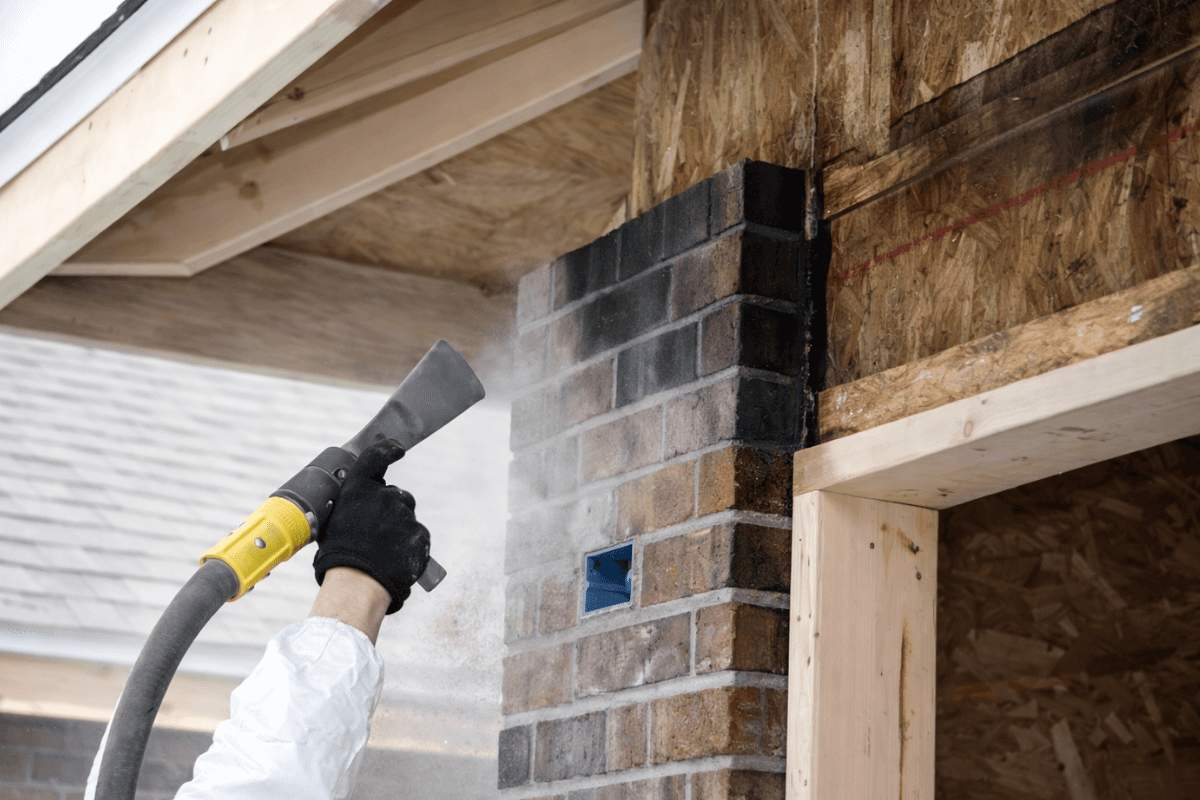
We’ll clean, remove, and prep before rebuilding begins.
Frequently Asked Questions
Can I stay in my apartment while fire-damaged flooring is being replaced?
Sometimes, but it depends on scope. Full demolition, subfloor repairs, or odor sealing often require temporary relocation due to dust, noise, and safety controls.
How long does floor replacement take after a fire in NYC?
Most projects take 3–10 days once work begins, but permits, co-op approvals, and inspections can extend timelines before demo even starts.
Will new flooring eliminate smoke odors completely?
Only if contaminated materials and affected subfloors are fully removed or sealed. Odors often return when soot remains trapped below new finishes.
Can I upgrade my flooring during a fire insurance claim?
Yes, but insurers only pay up to “like kind and quality.” Any upgrades beyond pre-loss condition are typically out-of-pocket.
Conclusion
Fire-damaged flooring decisions in NYC come down to what’s structurally sound, what’s contaminated, and what can stay clean over time. Carpet, laminate, and vinyl almost always come out. Solid hardwood and tile sometimes survive, but only when heat, moisture, and soot stayed shallow.
Once replacement is required, floor replacement cost typically lands between $8 and $25 per square foot in NYC, with demolition and disposal often eating up 30–50% of the total. Add subfloor repairs, permits, and building access, and the numbers move fast.
Before any new flooring goes in, proper fire cleanup matters. A clear assessment, thorough soot and odor removal, and moisture control protect your investment and your insurance claim.
If you want a clear, on-site plan that prevents repeat work and surprises, get a free quote to have the cleanup and prep done right before rebuilding begins.